Tested guides on AI, money, travel, and culture — written by someone who actually lives the questions you’re searching. Decisions, not listicles. Receipts, not vibes.
 By Lingye — a decade in Shanghai, now in Taipei · 15 years investing · daily AI user
Each pillar is its own deep practice — together they’re how a curious Western reader actually navigates modern Asia.
ChatGPT, Claude, Gemini — and the Chinese models you’re not testing yet: DeepSeek, Qwen, Kimi.
Asia investing, cost of living, and cross-border money moves — 15 years of real positions, not theory.
Itineraries that hold up, visa reality, eSIM & VPN that work, payments that don’t strand you.
Food, festivals, etiquette, language — the context that turns a trip into understanding.
The newest field-tested work — framed like gallery pieces, written to be acted on.

What the Mid-Autumn Festival is, when it falls in 2026, the Chang'e legend, mooncake types explained, and how to experience China's reunion night as an outsider.
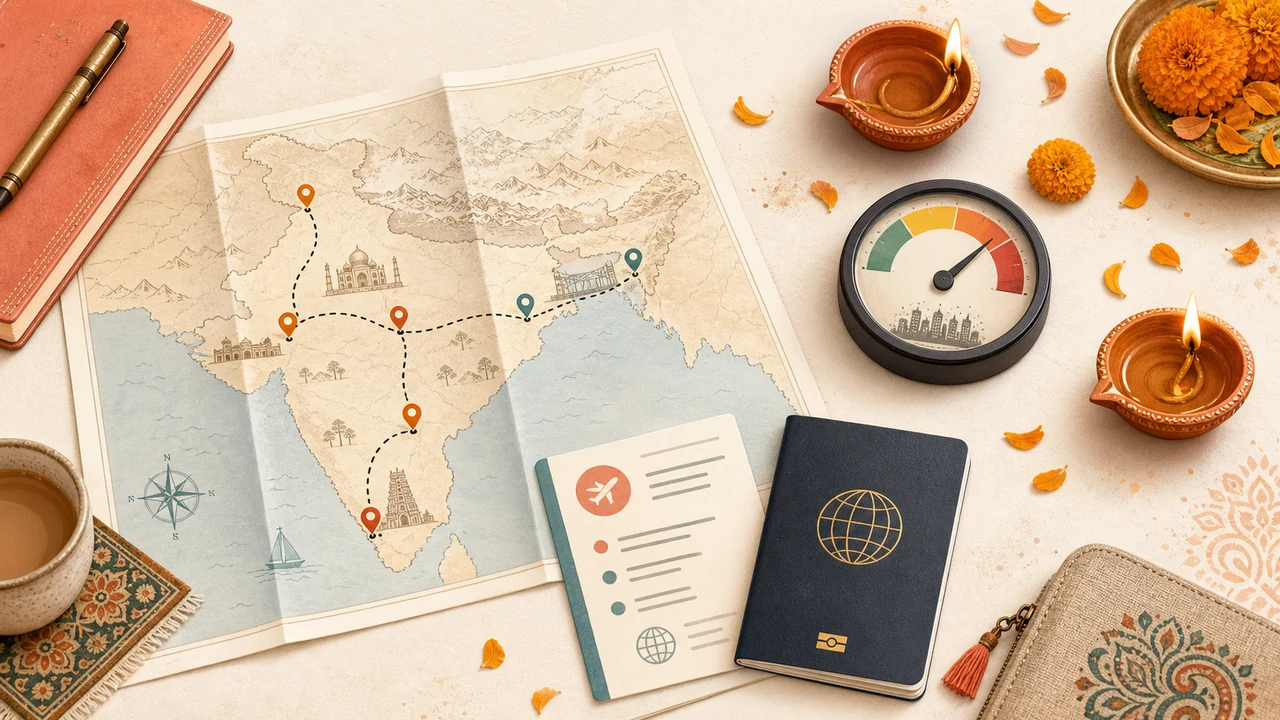
Diwali 2026 is November 8. A first-timer's plan for an India trip: where to be for the lights, the visa, the costs, and the Delhi smog to avoid.
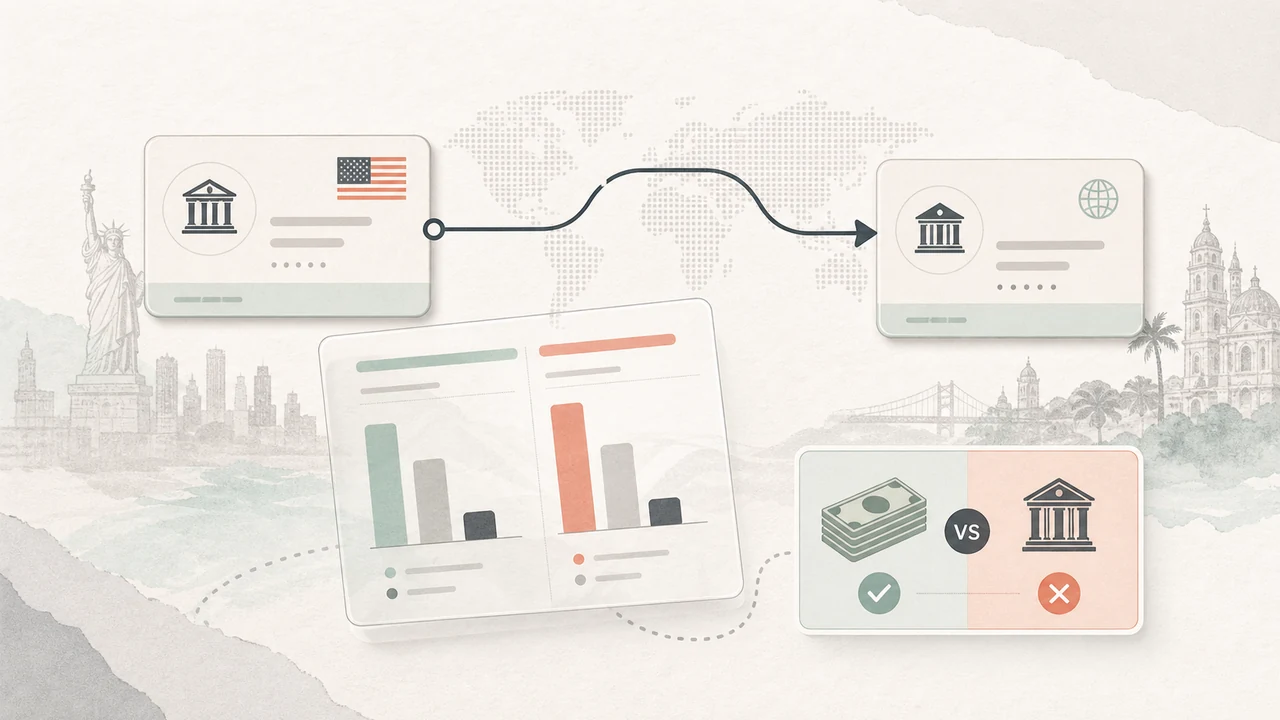
How to send money to Asia from the US in 2026: Wise vs Remitly, the new 1% US remittance tax and its bank-account exemption, and avoiding hidden exchange-rate markups.
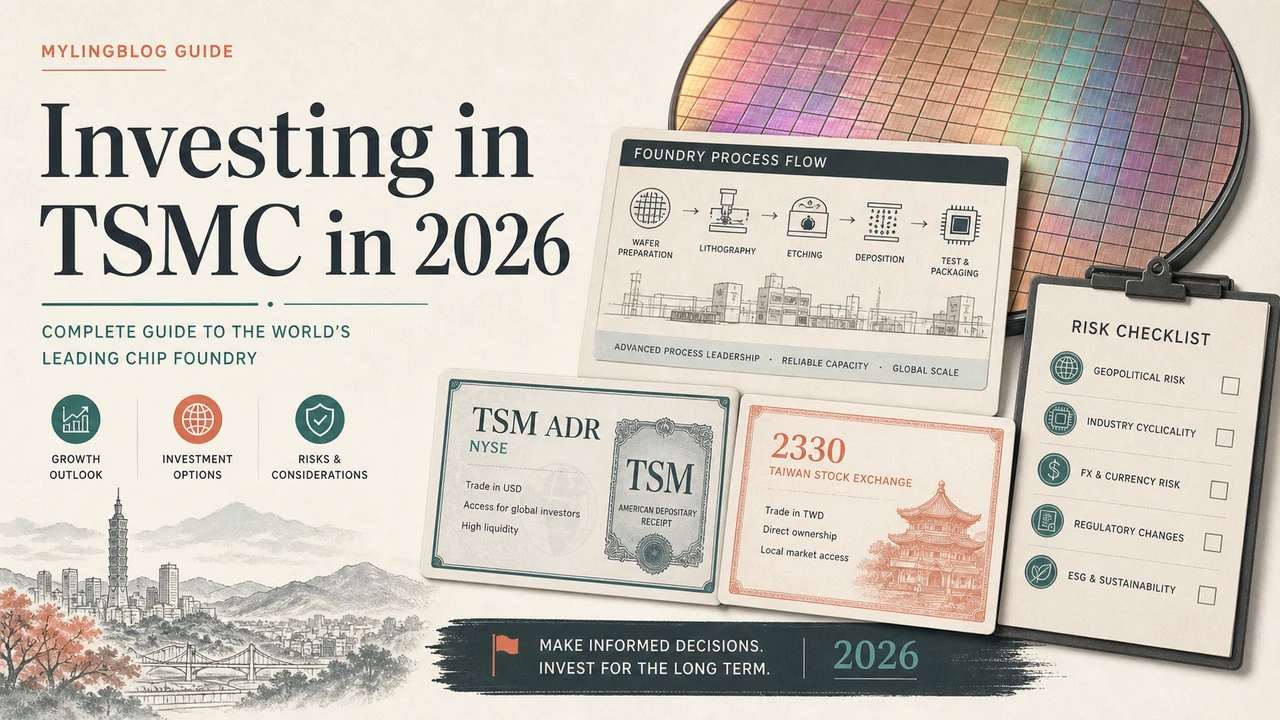
How to invest in TSMC in 2026 — the foundry that makes nearly every advanced AI chip. TSM ADR vs Taiwan 2330, the dividend-withholding catch, the bull case, and the concentration risks nobody puts on the brochure. No price targets.
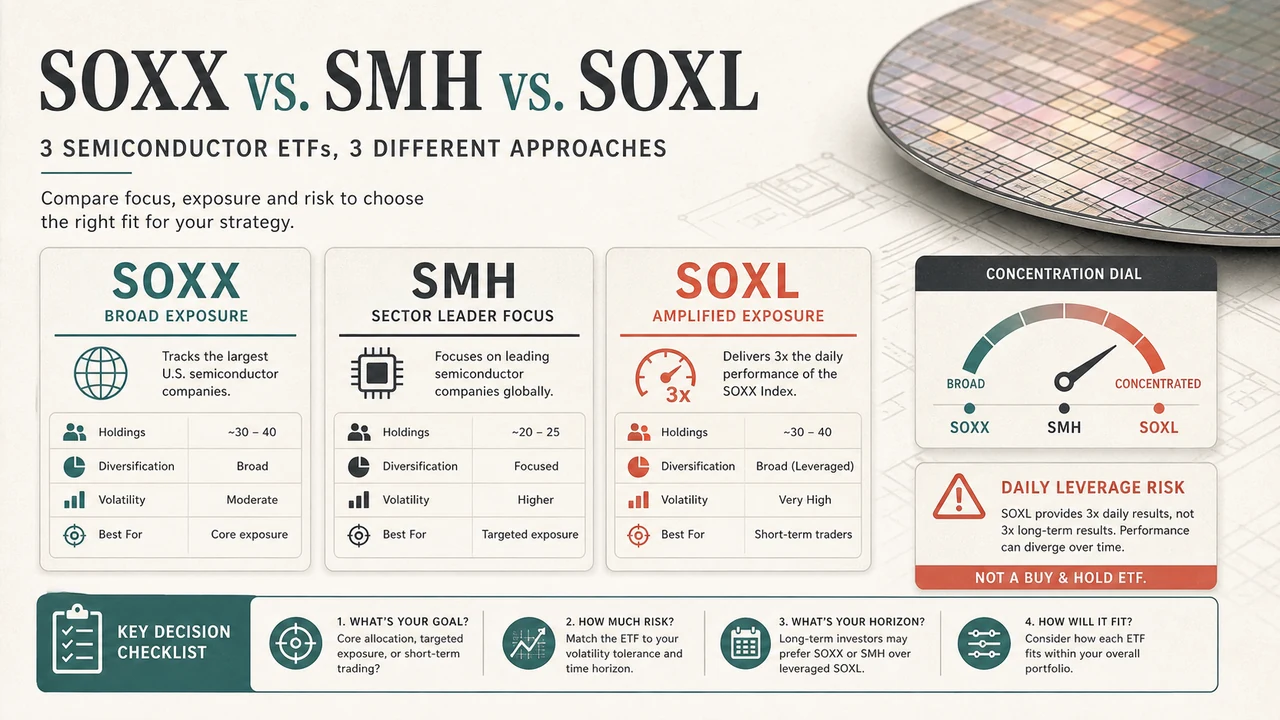
SOXX vs SMH vs SOXL compared for 2026: index, holdings, cost and concentration — and why the leveraged one isn't a hold. A plain-English way to pick a semiconductor ETF, plus the cheaper SOXQ and equal-weight XSD.
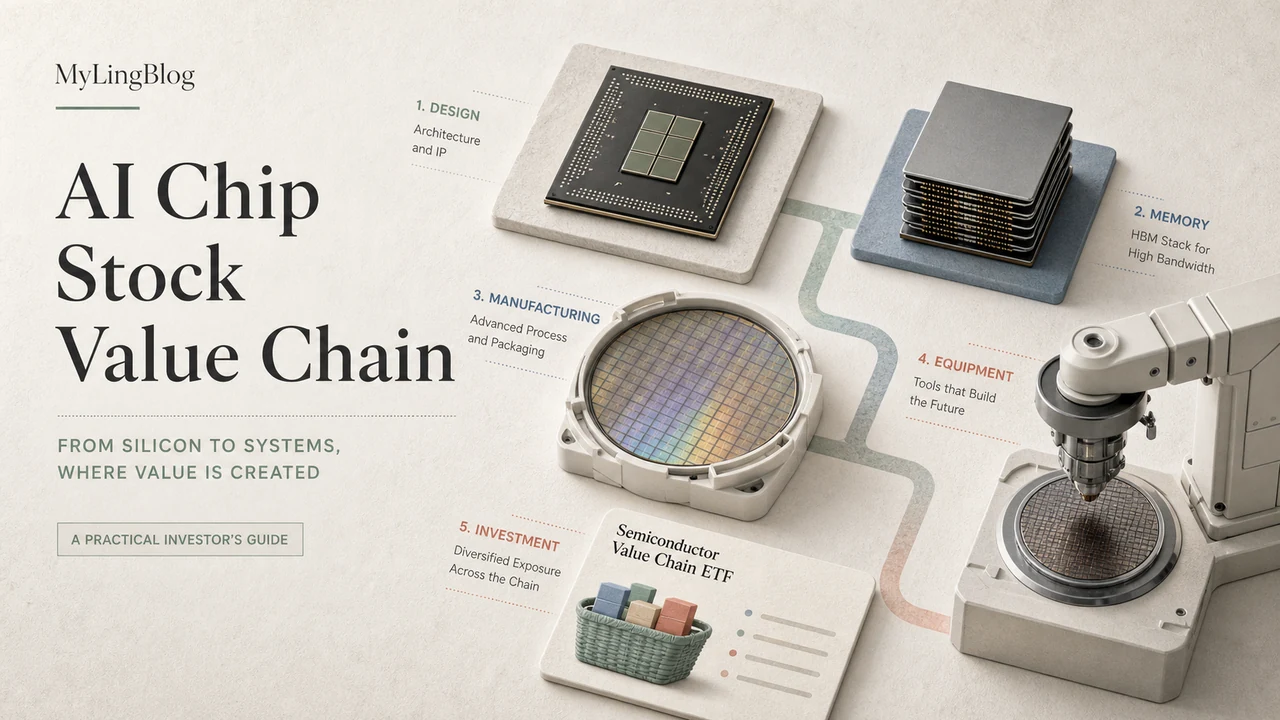
There's no single "best AI chip stock" — there's a four-layer value chain (accelerators, memory, foundry, equipment), most of it in Asia. A map of the names that matter in 2026, how each layer behaves in a selloff, and how to get exposure, with no price targets.
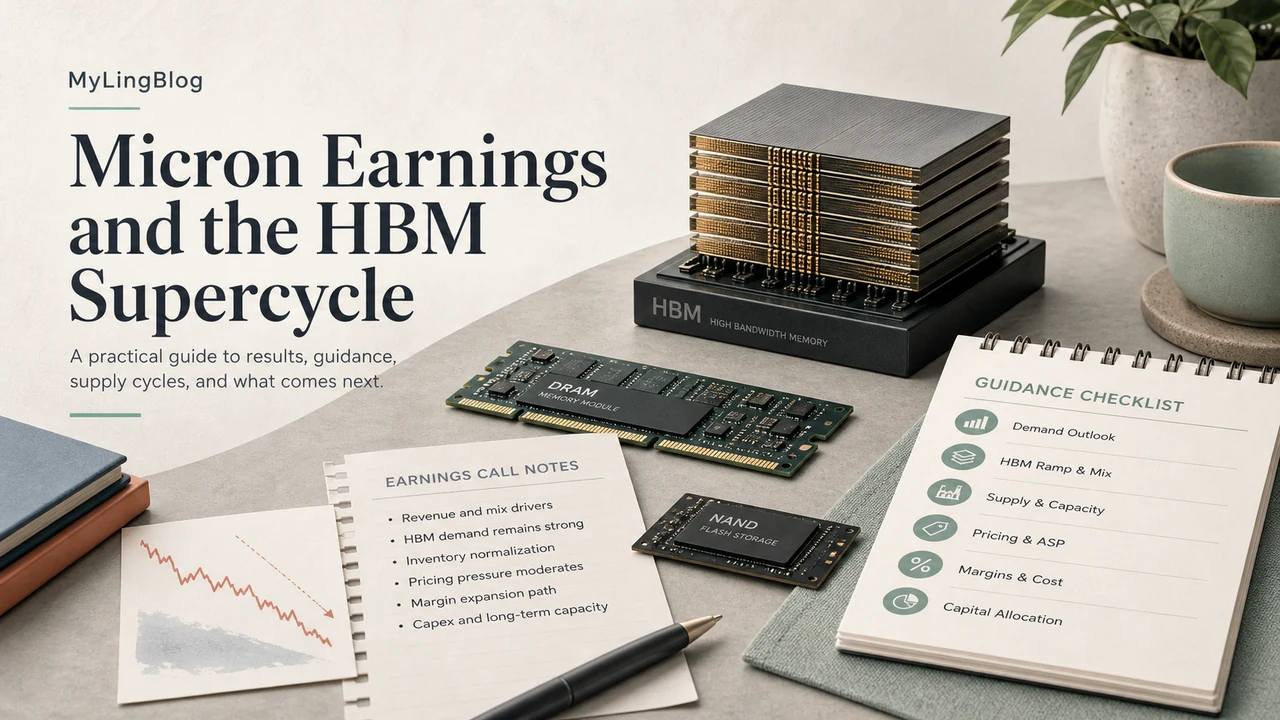
Micron's fiscal Q3 2026 earnings (June 24) blew past estimates — record revenue, HBM capacity sold out, and Q4 guidance far above consensus. Here's what actually moved MU, how to read the AI memory supercycle, and how to think about exposure.

What Onam is, when it falls in 2026, the King Mahabali legend, the Sadhya feast, and how to experience Kerala's biggest festival as an outsider.

The five recurring AI coding agent problems, the quickest fix for each, and a copy-paste before-work / daily / weekly maintenance routine.

Usage limits and the 'is it getting dumber' feeling are two different problems. A 30-second triage routine to diagnose each and fix the right one.
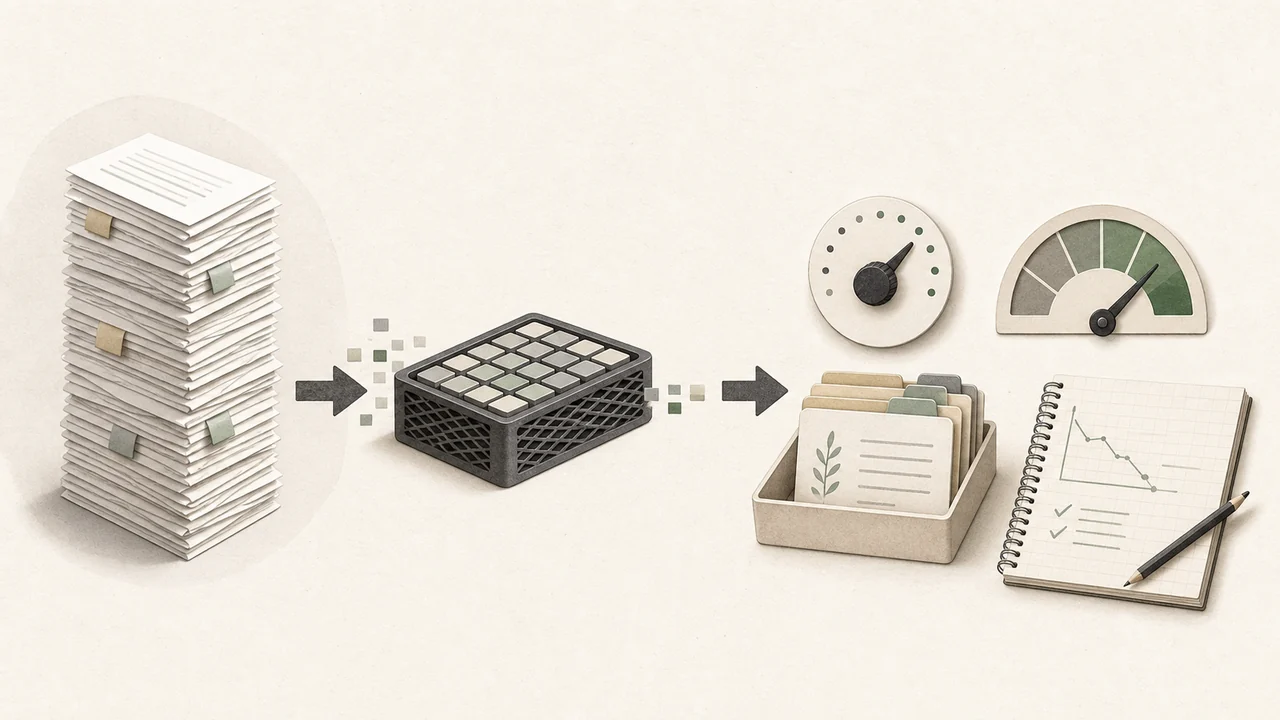
Agentic coding tools bill you for context on every turn. Here is the routine we use to cut AI coding token costs without giving up the agent.
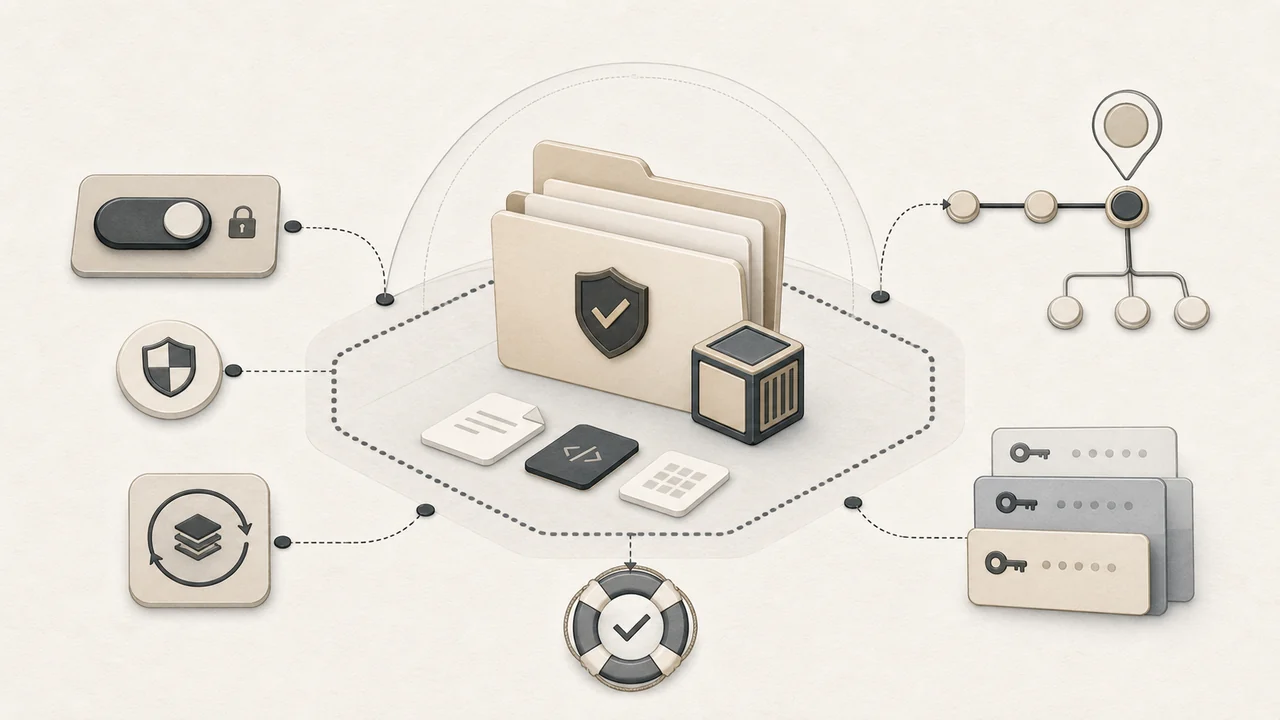
Telling an AI coding agent 'don't delete X' is a hope, not a boundary. Here are five guardrails that make destructive runs revertible instead of catastrophic.
A decade building a life in Shanghai, now based in Taipei. Fifteen years putting real money into Asian markets, and a daily heavy user of every AI worth testing — Western and Chinese. Every guide here is something actually used, audited, or lived.
Curious Western and English-speaking readers who want Asia explained with first-hand authority — not a tourist blog, not a wire-service summary. If you read the AI, money, travel, and culture beats and want decisions instead of listicles, you're home. There's a Spanish edition (/es) for the same reader in Spanish.
No — the AI pillar is general. ChatGPT, Claude, and Gemini get the same depth as the Chinese models you may not be testing yet, like DeepSeek, Qwen, and Kimi. The edge is using all of them daily and telling you which one actually wins each job, wherever it's built.
They come from trips actually taken across the region, kept current rather than copied from older posts. Visas, eSIMs, VPN reality behind the Great Firewall, mobile payments for foreigners — each one is written from doing it, then fact-checked against primary sources and dated, because the details change fast.
Yes — both now let foreign visitors link an overseas Visa or Mastercard, which used to be the single biggest pain point. There are still caveats around limits, verification, and which features stay locked, and the travel guides walk through the current setup step by step.
Asia investing, cost of living, and cross-border money moves — fifteen years of real positions reported from inside the market, not theory. It's about the mechanics a Western investor actually hits: access, fees, taxes, and moving money in and out of the region.
MyLing is written by one person — Lingye — who spent a decade in Shanghai, is based in Taipei, has invested for fifteen years, and is a daily heavy AI user. Every guide is something used, audited, or lived, and claims are sourced before publish rather than guessed. That first-hand lens is the whole product.